
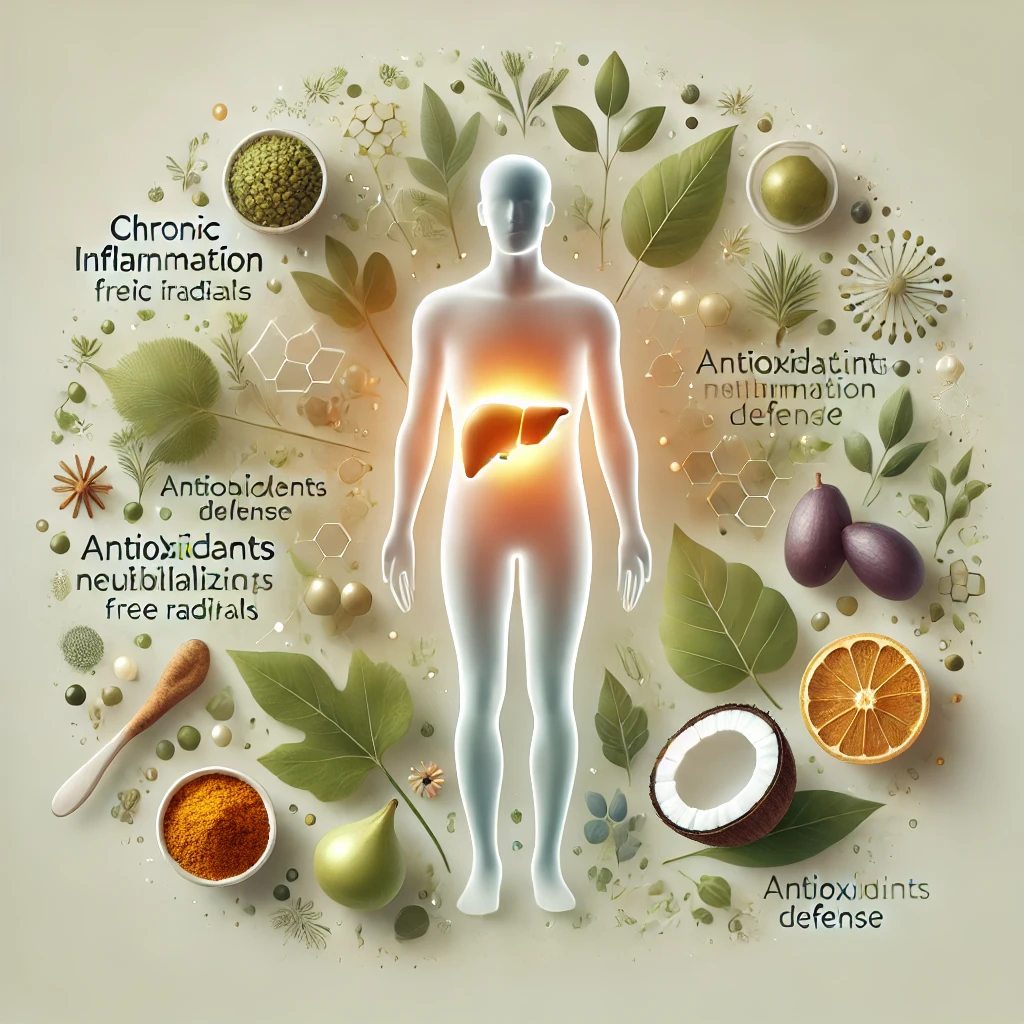
There is a lot of talk around us about anti-inflammatory diet! Before we get into to what to eat, let us quickly understand what is inflammation and then decide what suits our body !
What Is Inflammation? (Simple Explanation)
Think of inflammation like fire. A small, controlled fire protects you, but uncontrolled fire causes harm. Your body creates inflammation (let us say “soldier mode”) to heal cuts, wounds, or infections — this is normal and fades once you recover. But if the body stays in “soldier mode” all the time, it becomes chronic inflammation, which is harmful.
What causes chronic inflammation?
Major causes of chronic inflammation in daily life are – (1)
Processed foods & sugar: Trigger inflammatory molecules (4)
Excess refined carbs: Gets stored as belly fat , leading to inflammation (4)
Overheating oils & trans fats: Consuming the harmful compounds generated during oil overheating and trans fat (4)
Stress & poor sleep: This causes hormone imbalance, signaling the body to be on soldier mode all the time(2) (3)
Sedentary lifestyle: Lack of movement in daily life, only helps with weak anti-inflammatory response.
Pollution & toxins: These trigger immune response but when this happens continuously, it’s in turn keeping the body away from the required balance.
Signs Your Body May Have Chronic Inflammation
It is not possible to confirm without medical examination but certain prolonged body signals would suggest that we need to make considerable lifestyle changes. Those body signals are –
- Constant fatigue or low energy
- Stomach bloating or gut issues
- Frequent headaches
- Weight gain around belly
- Skin issues: acne, eczema, dryness
- Joint stiffness or mild pain
- Brain fog, mood swings
What really keeps inflammation at bay?
Most people think the answer is simple: sleep well, eat healthy fats, exercise regularly (6), and avoid processed food, sugar, and trans-fats.
This is true — these habits lay the foundation for a low-inflammation lifestyle.
But here’s the deeper truth:
The real game changer inside your body is your antioxidant defense system.
You may be surprised that “eat more antioxidants” wasn’t on the first list.
That’s because your body already has its own powerful built-in antioxidants, like glutathione, SOD, and catalase.
These internal antioxidants are far stronger than most antioxidants you get from food.
Your lifestyle choices are what keep this internal antioxidant army strong, active, and balanced — and THIS is what keeps inflammation under control.
Inflammation, Free Radicals & Oxidative Stress: How They Connect
Here is how the show happens –
Step 1: Inflammation produces free radicals
Step 2: Free radicals cause oxidative stress
Step 3: Oxidative stress could trigger more inflammation
Step 4: Antioxidants break this cycle. This is how antioxidants help reduce inflammation.
Which organ is majorly involved in the built-in antioxidant system ?
Liver ! Yes, when liver works well, internal antioxidant system works well and inflammation stays low. (5)
The liver is the main factory and control center of your body’s antioxidant system — it produces, activates, recycles, and supplies antioxidants to neutralize free radicals.
Foods That Support Your Liver and Reduce Inflammation Naturally :
Virgin coconut oil, Beetroot, Bitter gourd, Leafy greens, Amla, Turmeric milk, Lemon water.
These foods support overall liver wellness, which indirectly supports antioxidant balance
Quick Summary :
- Acute inflammation = protective
- Chronic inflammation = harmful
- Causes include stress, poor sleep, processed foods, belly fat, toxins
- Signs: fatigue, bloating, headaches, skin issues, joint stiffness
- Antioxidants help break the inflammation–oxidative stress cycle
- Liver plays a key role in maintaining antioxidant balance
FAQ –
Q1: What is the fastest way to reduce inflammation naturally?
Adopting an anti-inflammatory diet (vegetables, fruits, whole grains, healthy fats) along with regular exercise and good sleep can lower inflammation markers within weeks to months. (7)
Q2: Which foods reduce inflammation quickly?
Foods rich in antioxidants — like leafy greens, colorful vegetables, fruits, nuts, seeds, and healthy fats — consistently reduce oxidative stress and inflammation.(8)
Science reference :
(1)Furman, D., Campisi, J., Verdin, E., Carrera-Bastos, P., Targ, S., Franceschi, C., Ferrucci, L., Gilroy, D. W., Fasano, A., Miller, G. W., & others. (2019). Chronic inflammation in the etiology of disease across the life span. Nature Medicine, 25(12), 1822–1832.
(2)Irwin, M. R., & Opp, M. R. (2017). Sleep health: Reciprocal regulation of sleep and innate immunity. Nature Reviews Immunology, 17(12), 733–743.
(3)Slavich, G. M. (2020). Social safety theory: A biologically based evolutionary perspective on life stress, health, and behavior. Annual Review of Clinical Psychology, 16, 265–295.
(4) Minihane, A. M., Vinoy, S., Russell, W. R., et al. (2015). Low-grade inflammation, diet composition and health: Current research evidence and its translation. British Journal of Nutrition, 114(7), 999–1012.
(5) Lu, S. C. (2013). Glutathione synthesis. Biochimica et Biophysica Acta (BBA) – General Subjects, 1830(5), 3143–3153.
(6) Gomez-Cabrera, M. C., Domenech, E., & Viña, J. (2008). Moderate exercise is an antioxidant: Upregulation of antioxidant genes by training. Free Radical Biology & Medicine, 44(2), 126–131.
(7) Calder, P. C., & Deckelbaum, R. J. (2024). Dietary factors and low-grade chronic inflammation. Advances in Nutrition, 15(1), 70–84.
(8) Godos, J., Currenti, W., Angelino, D., & Grosso, G. (2021). Dietary phytochemicals and inflammation: A comprehensive review. Nutrients, 13(4), 1106.